Creativity.
It is an underestimated skill that foster parents possess. There isn’t a license for it, no area of study that definitively speaks to it. A great visual artist might not have parenting creativity. An accountant might surprise us by finding unique ways to connect with a child that we would never have considered!
Here are my four favorite creative parenting lessons I’ve learned from foster and adoptive parents at JRI. Get ready to be impressed!
You Have to Bring Back Chewy’s Bowl
The toddler had been moved nine times in his short life. Every time he had to get into a car, he had intense, gasping tantrums. He could be destructive, he could injure his caregivers, and he was absolutely terrified. Though he was newly placed in his pre-adoptive home, he could not understand that this was his last move. When he had to get in his social worker’s car each week for visits with his mom, he became inconsolable. He did not believe he would ever come back.
Mama J was an administrator by day, but a person who knew how to think outside the box. How do you communicate to a two-year-old that he is not being moved to a new home? She thought about what he knew about their home. He knew that Chewy, their dog with whom he had bonded, had to be fed and walked each day. He eagerly participated in this routine. When the next visit came, she handed him Chewy’s bowl. “When you come back, you have to help me feed Chewy, okay? You’re coming back and Chewy will be waiting for you.” That sweet boy grasped the bowl like it was a life preserver. In many ways, it was. He was nervous, cautious, but the tears were fewer and he made it back. From then on, he brought something of Chewy’s- his bowl, leash, a dog toy- and was reminded he had to come back because Chewy needed him. The tantrums subsided, the fear eased, and a little boy allowed himself to fall in love with his new home.
Nickel Rides
Her emotions were big. Family visits with her siblings and parents were in a cramped room. Everyone was vying for attention. It was over an hour to get to the office and the rides to and from were a lot. She took off her seatbelt every time and would climb all over the car. Mama F was terrified. There they were, going down 495, when the child would launch herself over the back seat. She pulled over. The child proof latch on the seat was no match for this child’s intellect and anxiety. A state trooper joined them on the roadside and told the little one she had to wear her seatbelt. It lasted a few exits, then was off and her energy got the better of her.
Mama F had to drive her to visits. There was no way to make the visits closer, no way to change the composition of the visits. Mama F thought long and hard. How could she motivate this child to follow the rules and be safe? Talking did not work, take-aways did not work. It was a safety issue, and they could not go on this way.
Little L loved the local bargain store. They would pick up inexpensive craft supplies from time to time, little toys, etc. Mama F got on Little L’s level. “If you can keep your seatbelt on, I will give you a nickel for each ride. One on the way to your visit, one on your way back. But you have to keep it on and be safe the whole ride to earn the nickel. Once you earn enough, we will go to the Dollar Store and you can pick something. Deal?” The deal was on, made official with a handshake. Mama F had exact change for every ride they took- grocery stores, doctor’s appointments, school, and of course visits. They took a clear jar and deposited the money after each ride. Little L looked at it with excitement. There were occasional rides where old habits resurfaced, but she reminded Little L of the goal. Pretty soon, they had enough for a first trip! A little necklace was their choice- so fun! What did she think she would choose for the next award? She had a few items in mind. Mama F cheered her on. Case managers inquired each week, offering encouragement. Mama F said it was the best investment she’d ever made. Little L didn’t need nickels before long and could just ride places with ease, and they went to the Dollar Store regularly to celebrate all kinds of success.
A Welcome Note and a Text
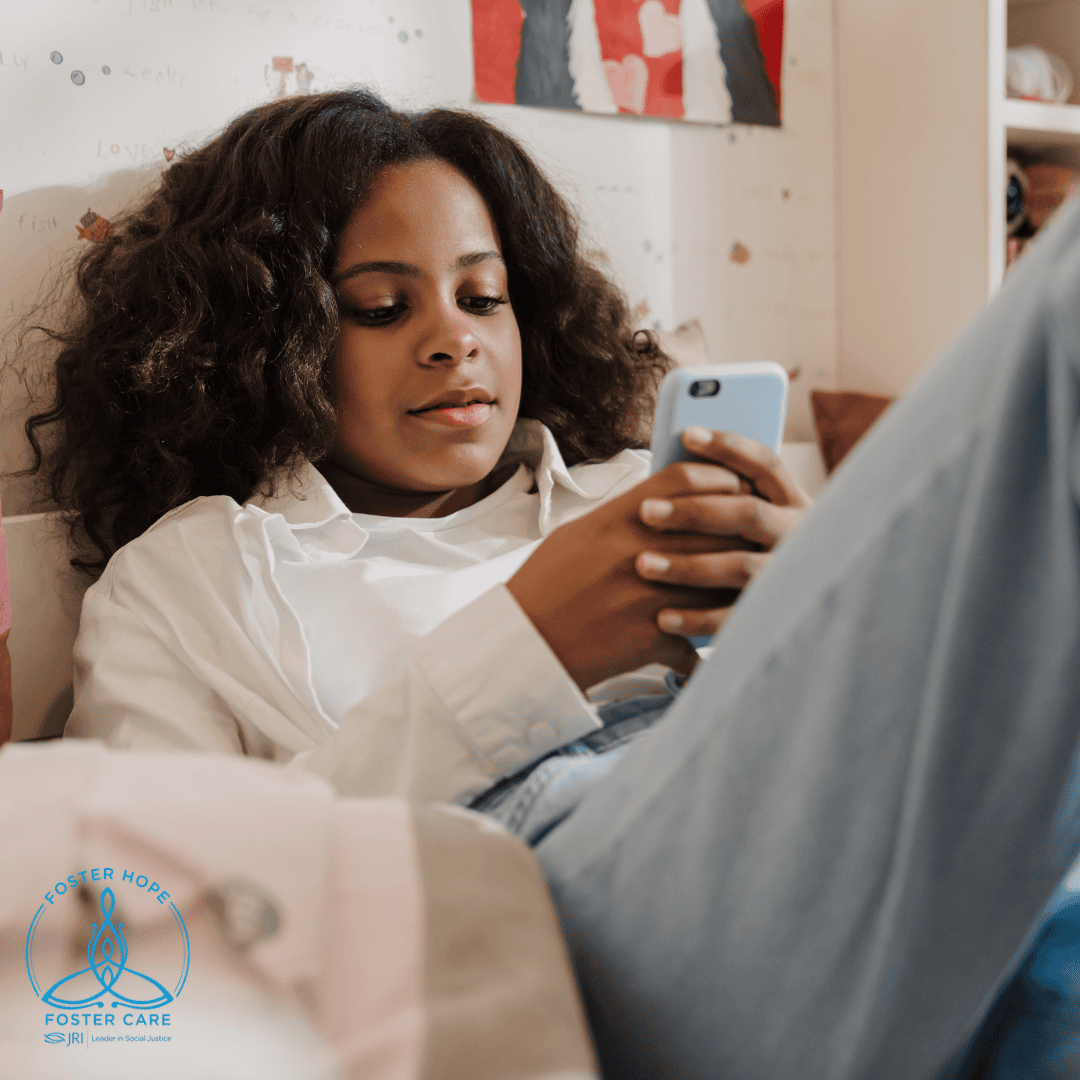
Mama M welcomes kiddos on weekends as a respite parent. Many of her visitors are teen girls. Mama M doesn’t like to overwhelm them with too many details and most teens want to hole up in their rooms with their phones, at least for a while. She respects this. Mama M puts a little welcome basket in the youth’s room with a bottle of water, some snacks, and a note. The note welcomes them, gives them some quick info about eating, where to find things, and of course her cell phone number in case they prefer to text and not talk. She also lets them know they can text her for the Wi-Fi password. They inevitably do text for the Wi-Fi password, and this leads to more texts. Mama M will invite them downstairs to watch a movie, asks if they want something special for dinner, checks to see if they need to do any laundry. This leads to more texts, silly texts, relationship building texts. And it all starts with a little welcome basket, a note, and a password.
Talk Show Host
Any parent will tell you that the most revealing, vulnerable conversations with kids happen in the car. This is especially true for kids in care, who are often hesitant to share what they are going through and take time and patience to trust adults.
For one fellow, he had a huge personality and loved to pretend to play characters. However, on hard days he would shut down and become nearly silent. Foster mom noticed that this was especially prevalent after family visits. She knew he was thinking and feeling deeply, but he could not bring himself to express his internal monologue. One day, on the ride home, she had a hairbrush beside her and picked it up on a whim. In a talk show host-voice, she said, “The audience wants to know, Kiddo, how did everything go today?” She could see him in the back seat suppressing a grin. She carried on. Eventually, he reached forward and took the “microphone” from her and responded. They had a playful, meaningful exchange that helped her understand how things had gone and what he was worried about. This became their routine, the hairbrush always at the ready after visits. They communicated about many tricky topics via this method, and it always gave the fellow enough distance from the topic through use of his character to allow him to share what he needed to share.
Synopsis
Children need different things to feel supported, safe, and seen. Foster parents learn something new with every child and adapt to provide the right supports. When foster parents think expansively and consider what a child needs, everyone wins. A little creativity goes a long way!