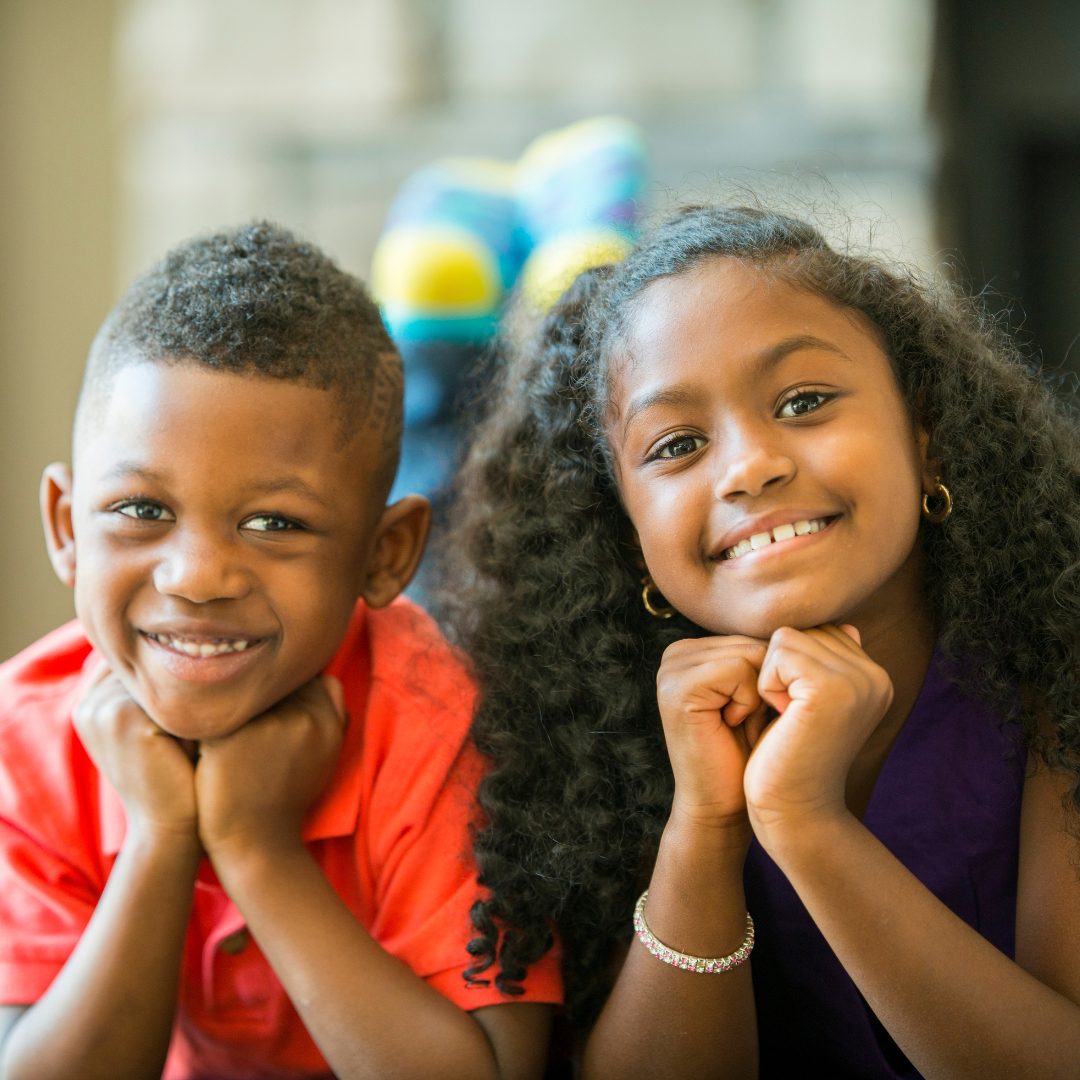
As we discussed in our last blog, there are many reasons siblings might be separated in foster care. The significance of separation, however, cannot be overlooked.
As adults involved in the foster care world, what can we do to lessen the impact of sibling separation?
Avoid It
First and foremost, every effort to allow siblings to remain together must be made. This includes reaching out to all available foster families to provide homes for sibling groups. This includes reaching out to local agencies like JRI to find available homes. This includes asking kinship providers (grandparents, aunts and uncles, close family friends) to take siblings, even if one or more of the siblings are not directly related to the adult (ex. A grandmother of one sibling, who has a maternal half-sibling also in need of placement).

Make It Happen As Soon As Possible
Removal can be a very chaotic time. If siblings are separated, keep working to see if there is a home that can take the whole sibling group (or portions of the sibling group). If a child is placed in a foster home that has a placement open up (like another child goes home, they purchase bunk beds etc), efforts should be made to reunify siblings within that home.
Sibling Work
Sometimes siblings can’t be placed together due to difficult behaviors they have with one another. Therapy is important. We can’t ignore difficulties in children’s relationships. We must prioritize the value of healing these relationships. Individual therapy can allow children to work through their individual needs, and then using family therapy between the siblings can allow them to explore healthier ways to communicate, ways to understand each other, and to move forward with a productive, functional relationship.

Sibling Visits
In JRI, we currently have several sets of large sibling groups. We have two siblings placed in one home, and two of their other siblings in another home. These foster parents get together regularly with the children. They meet at parks, they invite the other children over during the week, and they make sure they have nightly phone calls to say goodnight before bedtime. We could not place four children in one home, per regulations, but by choosing two foster parents who live close to one another and were immediately committed to preserving the children’s bond as much as possible, the children experience less trauma from their removal and experience more support from one another.
For children who have a sibling in a group home, it is important to be sure the child in the group home has permission to call their sibling in foster care. They should have regular contact and, as long as it is safe and appropriate, plan visits. These visits could be in the community, at the group home, or at the foster home if appropriate.
Recreational Connections
We’ve had past experiences with children who did not live together, but took the same lessons, attended an afterschool program together, and went to camps specifically designed for siblings in foster care. Making intentional decisions about how to ensure that connection happens is vital.
Additionally, children should be invited to one another’s birthdays, find ways to join together for holiday celebrations, and be present for life milestones like graduations. It is incumbent upon foster care and child welfare workers to ensure these connections are facilitated and prioritized.

Adoption and Sibling Connection
Siblings are often separated by adoption. This can happen for a variety of reasons. Adoptive families must view all of their children’s siblings as part of their family. They must recognize the importance of this connection and take all of the steps above to ensure their child grows up with a bond to their siblings, that it is viewed as equally important to any other bond in their lives, and to find ways to make connection possible.
Never a Take-Away
If a child is having a difficult week with their behavior, it is never acceptable to take away their sibling time. If they have a scheduled meet-up, a planned activity, or a phone call, these must continue regardless of how school is going, how they behaved at home, or what is going on. The only exception would be a significant safety risk, in which case a different form of connection might be explored (ex. A virtual visit as opposed to in-person, a letter or card, or rescheduled date), and this should be discussed with their team (therapist, social worker, etc) to plan for how to safely move forward.
Synopsis
Sibling connection is vital. Your sibling will be with you through your whole life. They are your closest connection to your roots, a person who shares memories, a person who shares your history. The bonds of siblings in foster care must be prioritized to reduce the impact of trauma, to create a sustainable, ongoing connection and support system that will endure long after foster care, and to heal past challenges that may have occurred within their relationship.
If you could support siblings in foster care, apply today.