His legs are visibly shaking. There is a voice, off to the side, encouraging him, giving him pointers, supporting him. Below is a woman, arms open, ready to catch him. The child lurches to his knees, clinging to the diving board. Eventually, he slowly lowers himself into the pool.
In the next frame, he is taller, leaner. His goggles are positioned on his face just so. He strides with confidence to the end of the diving board, raises his arms and takes a little bounce, then flings himself off and into the air, then down into the water. He sinks out of site, then pops up, stroking his arms through the water with grace and coordination. His father cheers.
Here’s the clip: https://www.youtube.com/watch?v=Euz4GFW5-Uc
It came across my Facebook feed this week and I watched it over and over. The contrast between the two scenes was so clear. Shaking limbs in one, clutching the only firm surface available, rejecting the notion of letting go of the known, solid, and familiar. In the second, he moves with confidence, strength, knowledge. He willingly let go of the known, solid, and steady, but enters the air and then the water with such joy. It is the result of support, of practice, of preparation. He doesn’t skim the surface of the pool, he plunges in, water covering his nose, his mouth, blocking oxygen from reaching him, yet he is not afraid. Experience has taught him that he will resurface from the depths, he has the skills to do so, he has the knowledge, and he has a support system around him who will keep him safe.
How many times have you been that child? How many times have you resisted fully immersing yourself in something because fear of failure, of flailing, of sinking held you on steady ground? It is the most natural reaction in the world. Risk is real and, depending on the undertaking, could have significant consequences. Risk of loss of financial stability, risk of embarrassment, risk of loss, the risk of rejection root us to safety. We shake and quake until we choose to dip one toe in the pool, testing the water, then slowly sink in. We tread water and dog paddle to keep our heads above water, to stay close to the safety of the surface.
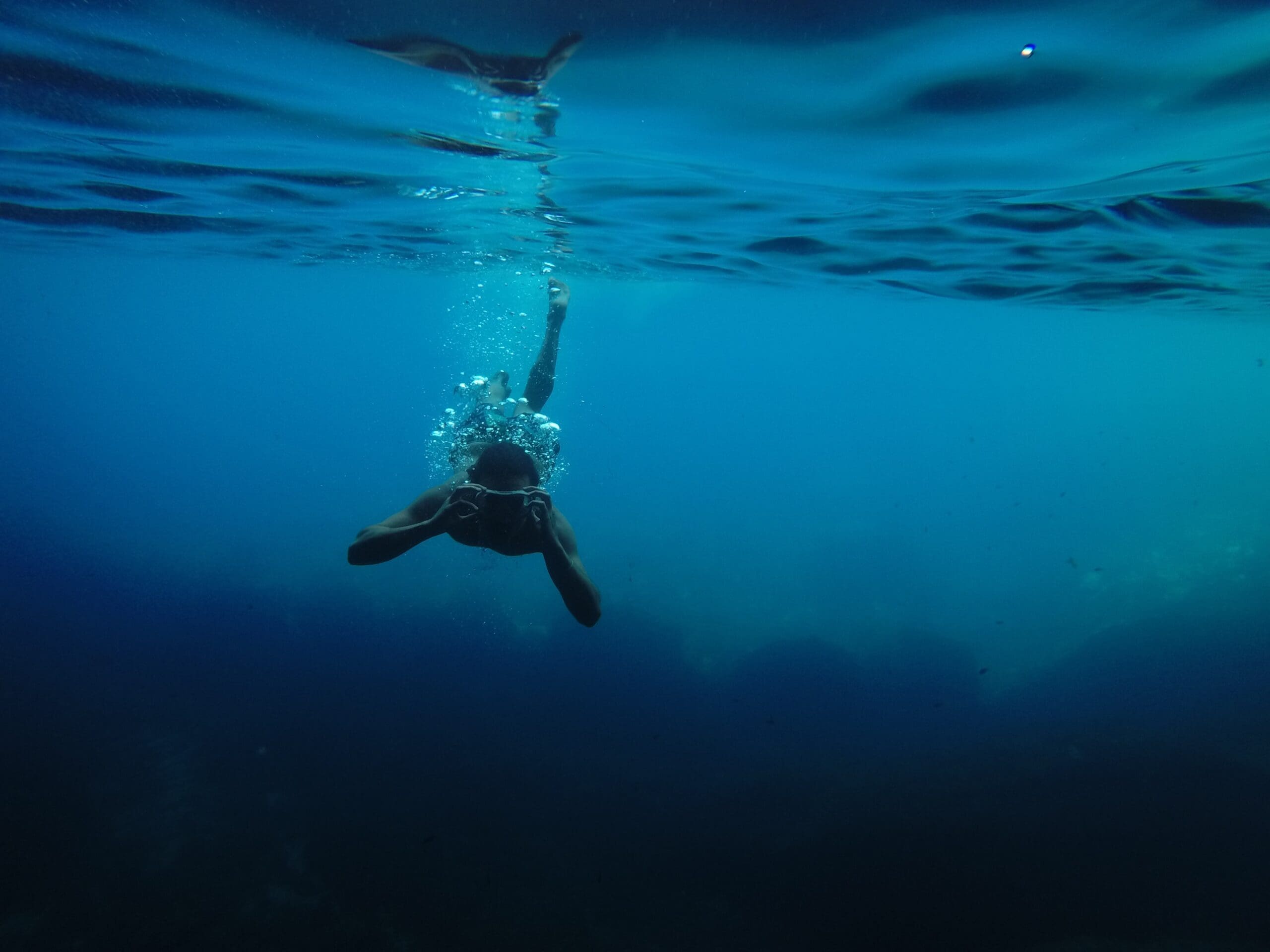
But what happens when we are encouraged, if we are supported, if we are taught how to survive in the foreign world under the surface? We progress. We dive down, reveling in the change of perspective, the weightlessness, the challenge of holding our breath as long as possible before bursting back to the surface, gulping air and smiling while wiping water from our eyes. Eventually, that confident stride is ours, carrying us to the precipice, allowing our arms to swing gracefully, and we plunge into the depths with the knowledge that we can survive this feat. We have accepted that we will first sink, but then we will swim.
Life is full of moments of uncertainty. Foster care is packed with them, for children, biological parents, staff, social workers, foster parents, lawyers, and judges. Legs will shake, hearts will drop, and we will return to the familiar, the safe, the steady, until we are ready to let go. When we plunge in, seasoned, supported, ready, our heads will go under, we will be breathless for a moment, but will return to the safety of the air, the nourishment of oxygen, with greater confidence. In order to swim, you must accept that you will sink. Just be sure you’re swimming with your team around you, supporting, watching, guiding, ready to rescue at any moment.
To RJ and your dad, thank you for the reminder that fear can be overcome and can lead to greatness!
If you are ready to dive into the pool of foster care, please visit our website to learn more about foster care.
Or
Call is at 508-821-7774 and ask to speak with the Homefinding Team
Or
Complete our inquiry form at: https://family.binti.com/users/signup/jri-foster
#FosterHopeFosterCare